Why Smart Watering Wins: From Timers to Cloud-Linked Precision
Healthy landscapes and lush houseplants rarely happen by accident; they’re the result of consistent moisture at the root zone. That’s where a modern automatic plant watering system changes the game. Instead of guessing when to irrigate, connected timers and moisture-aware setups deliver the right amount at the right time. Overwatering suffocates roots; underwatering stresses leaves and blooms. Smart scheduling cuts through this guesswork, providing repeatable routines that adapt to seasons, plant type, and soil. The result is fewer diseases, better nutrient uptake, and dramatically improved growth with less manual labor.
A standout example is a rainpoint wifi water timer, which allows gardeners to set multiple programs, fine-tune durations, and add soak cycles that prevent runoff. With optional rain delays and weather-informed pauses, you save water while protecting plants from needless saturation. In practice, that means you can dial in precise drip intervals for tomatoes, gentle micro-sprays for seedling beds, and deeper, infrequent soaks for trees—all from a phone. This level of control upgrades basic timers into true automatic plant watering systems that match how plants actually drink.
Smart irrigation is also about responsiveness. Seasonal changes demand shorter durations in cool months and longer, more frequent cycles during heat waves. Cloud-connected scheduling makes these tweaks painless and timely. Integrations with sensors, or simple soil checks, let you refine zones further: shade beds need different timing than sun-scorched borders; clay soil holds moisture longer than sandy mixes. A linked system helps unify all of this, and many growers turn to a rainpoint automatic watering system when they want flexible zoning, app control, and reliable hardware. Whether it’s a balcony collection or a full suburban yard, smart watering replaces inconsistency with data-informed care, transforming plant health while conserving water.
Indoor Mastery: Self-Watering Pots, Wicks, and Quiet Automation
Houseplants demand consistent moisture, but indoor environments fluctuate: HVAC systems dry the air, sunny windows accelerate evaporation, and darker rooms slow growth. A dedicated indoor plant watering system balances these variables with predictable hydration. The simplest approach is the self watering pot, which uses a reservoir and capillary action to supply moisture as roots need it. These containers—even compact windowsill sizes—reduce surface evaporation, keep foliage dry, and mitigate fungus gnats by preventing perpetually soggy soil. For larger collections, wick-fed setups and gravity drippers scale the concept, delivering steady sips rather than sudden soakings.
For many homes, a self watering system for indoor plants blends low-tech reliability with smart convenience. A countertop herb garden might thrive on wick-based pots, while a fern corner benefits from a small pump and lines feeding multiple planters. Monitoring becomes intuitive: check reservoir windows weekly, top off as needed, and adjust wick thickness or soil blend to match plant preference. Choose airy, well-draining mediums for aroids and succulents, and richer mixes for moisture-loving calatheas or ferns. Creating separate zones—even indoors—prevents one-size-fits-none watering routines that stress sensitive species.
Automation doesn’t mean set-and-forget; it means set-and-observe. Many enthusiasts keep a journal or use app reminders to align watering with growth cycles, repotting schedules, and fertilizer plans. Pairing a small pump-based self watering system with drip stakes minimizes spills, while water meters or simply lifting pots helps confirm moisture levels. When travel is on the horizon, the value multiplies: with a dependable automatic plant waterer and thoughtfully sized reservoirs, plants remain hydrated without a sitter. In essence, self watering plants are less about a specific gadget and more about designing a system—a synergy of pot design, media, and flow rate—that mimics nature’s steady supply. Whether you prefer a minimalist self watering plant pot or a multi-planter rig, the goal is the same: even moisture at the root zone, delivered efficiently and quietly.
Outdoor Reliability and Vacation-Proofing: Drip Lines, Zones, and Real-World Wins
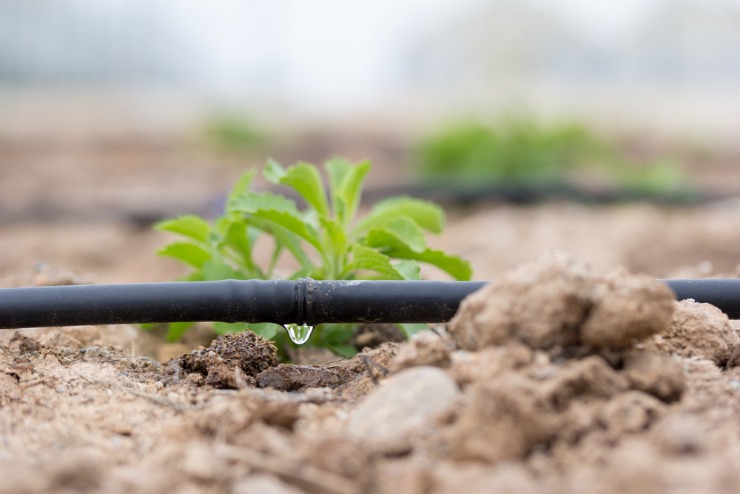
Outdoor beds, vegetable plots, and container patios amplify the stakes. Sun, wind, and seasonal swings make consistency hard, which is why an automatic plant watering system outdoor is a cornerstone of resilient gardening. Drip irrigation sends water directly to roots, reducing evaporation by up to half compared to overhead sprinklers. Micro-bubblers target shrubs, inline drippers suit raised beds, and adjustable emitters fit mixed containers. A weather-capable controller manages zones so thirsty tomatoes don’t drown drought-tolerant lavender. For renters or balcony growers, compact battery timers still offer precise intervals, while Wi‑Fi models layer on remote management for ultimate peace of mind.
Vacations spotlight the system’s true value. If you’ve ever asked yourself how to water plants while on vacation, the answer blends redundancy and control. First, size reservoirs and confirm emitters deliver correct flow rates; second, install filters to prevent clogs; third, program gentle, more frequent cycles during heat spikes; and finally, enable rain delays or soil moisture inputs where possible. Pair drip lines with mulch to stabilize temperatures and slow evaporation. Containers benefit from deeper saucers or a temporary shade cloth to reduce peak stress. With a smart controller, you can monitor and adjust schedules mid-trip if a heatwave or storm pops up unexpectedly.
Consider a case study: a 600-square-foot backyard with sun-exposed raised beds, a pollinator border, and a potted citrus trio on the patio. The gardener installs a manifold with three zones—beds, border, and containers—run by a rainpoint controller. The vegetable zone uses inline drip at 0.5 gph spaced 12 inches, scheduled for early morning to minimize evaporation. The pollinator border gets micro-sprays twice a week, tuned seasonally. The citrus pots receive slow drip emitters tied to a moisture probe. Before a two-week trip, the gardener activates weather-based skip, runs a full system test, and checks for leaks. Over 14 days, plants flourish: mulch keeps roots cool, drip avoids fungal spread, and the app confirms cycles. This is the practical power of an outdoor automatic plant watering systems approach—data-informed, low-waste, and highly dependable.
Whether you’re nurturing a balcony jungle or a suburban food garden, the right mix of drip hardware, zoning strategy, and a robust controller provides a stress-free safety net. Tie it all together with a flexible platform such as a rainpoint wifi water timer, and you’ll achieve professional-level consistency without daily hose duty. As you refine schedules and emitter choices, your setup evolves from mere automation into a living system tuned to plant rhythm and climate. That’s the essence of modern garden care—practical technology meeting plant physiology to deliver results you can see, week after week.


Leave a Reply