London’s medical heritage and innovation make it a global destination for restoring confidence through a meticulously planned hair transplant. From the storied practices of Harley Street to modern boutique clinics across the city, the capital draws surgeons who blend artistry with science to produce natural growth, long-term density, and donor area preservation. For discerning patients, this means access to evidence-based protocols, transparent outcomes, and world-class safety under UK regulatory frameworks. Whether you’re addressing a receding hairline, temple recession, or diffuse thinning, choosing a provider with a deep portfolio and robust aftercare matters—especially in a competitive landscape where headlines can overshadow substance. In the context of the hair transplant uk market, London stands apart not only for its concentration of skilled practitioners but also for the rigor of its standards, measured expectations, and emphasis on sustainable results that age gracefully.
Why Harley Street Leads the UK in Hair Restoration Excellence
For over a century, Harley Street has been synonymous with elite medical expertise, and that reputation extends strongly to hair restoration. Choosing a clinic in this district places you at the nexus of experience, innovation, and discretion—three pillars that define modern transplant excellence. The typical patient journey on hair transplant harley street begins with an in-depth consultation that maps your donor capacity, hair caliber, and growth pattern, not just your current hairline. Surgeons here are known for creating long-term strategies that consider future loss, not merely today’s thinning areas. This phased planning helps avoid “islands” of density as native hair recedes and safeguards donor resources for a lifetime of natural refinement.
Another key advantage is multidisciplinary collaboration. Many Harley Street practices have access to adjacent specialties—dermatology for scalp optimization, endocrinology for hormonal assessment, and trichology for hair health—so patients benefit from a 360-degree approach. The environment also prioritizes surgical consistency: sterile protocols, high-caliber microscopes for graft handling, and tightly trained teams who can maintain graft viability and placement accuracy under time constraints. It’s a level of standardization that directly influences growth yields and scarring outcomes. For patients comparing the broader hair transplant uk scene, Harley Street’s density of high-volume, peer-reviewed surgeons and its culture of data transparency provide reassurance. Put simply, the district has cultivated a reputation for delivering the best hair transplant london solutions by aligning medical rigor with aesthetic sensitivity—ensuring hairlines complement facial features and age naturally, rather than appearing transplanted or stylistically trendy in the short term.
Techniques, Candidacy, and What Results to Expect
The right technique is the one tailored to your scalp characteristics, goals, and long-term plan. Follicular Unit Extraction (FUE) is today’s most requested method because it removes follicular units individually and typically leaves tiny dot scars that are hard to detect with short hairstyles. Follicular Unit Transplantation (FUT), sometimes called strip surgery, remains invaluable for maximizing graft numbers from limited donor resources or when prioritizing high-density sessions. Direct Hair Implantation (DHI) and refined implanter-pen methods can enhance placement control in certain hairlines, while unshaven FUE options appeal to those seeking discretion. An ethical clinic will outline the pros and trade-offs—session size, scarring patterns, downtime, and the realistic density thresholds—so you can make an informed decision.
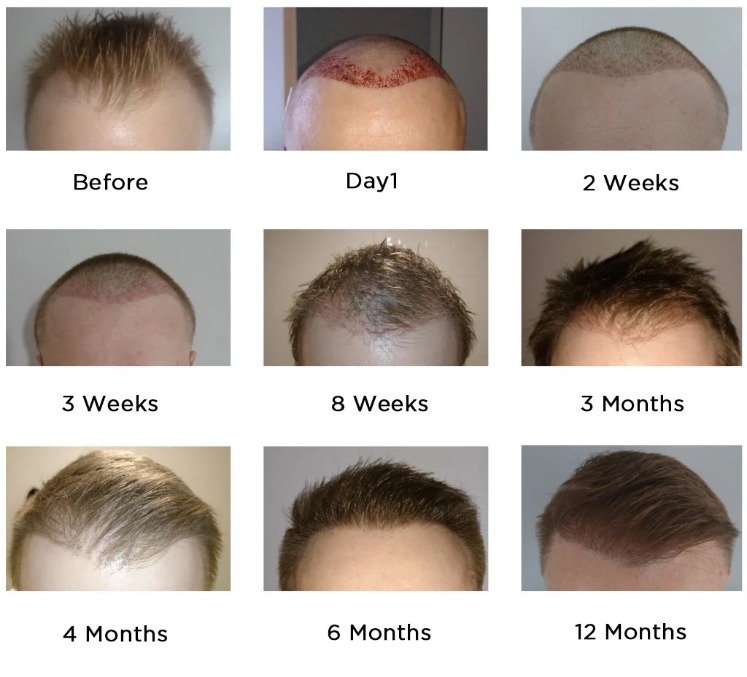
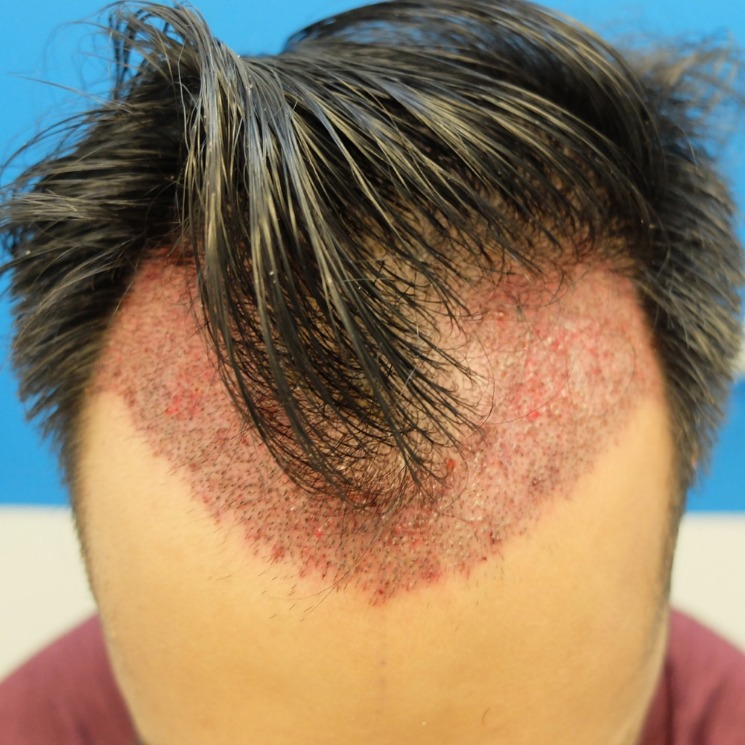
Good candidacy extends beyond age and Norwood scale classification. Surgeons evaluate hair shaft diameter (coarse hair yields more visual coverage), curl pattern, contrast between hair and scalp, and donor area stability. They also examine medical history, nutritional markers, and scalp health, optimizing the canvas before surgery. Expectations should be grounded in biology: a typical restoration might involve 1,500–3,000 grafts for frontal work, staged as needed, with visible growth starting around month four and maturing through months 12–18. Initial shedding of transplanted hairs is normal; the follicles remain intact and re-enter growth cycles. Post-op protocols—gentle cleansing, avoiding trauma to grafts, and following inflammation management steps—can materially influence outcomes. Adjunctive therapies such as low-level laser, prescription topicals, or targeted supplements may stabilize miniaturizing native hair, protecting the aesthetic blend between transplanted and non-transplanted areas. Ultimately, a successful hair transplant marries technical execution with a holistic plan that anticipates future hair loss, ensuring your new hairline remains harmonious as you age within the dynamic landscape of hair transplant london.
Real-World Pathways to the Best Outcomes in London
Strong results are built on thoughtful planning, meticulous technique, and realistic expectations. Consider a 32-year-old with early frontal recession (Norwood 3). After assessing caliber and donor density, a clinic might recommend a conservative 2,100-graft FUE focused on the frontal third and temples, designed to re-establish framing without overcommitting donor reserves. The hairline would be subtly irregular to mimic nature, with finer singles in the leading edge and multi-hair grafts placed for midline volume. At month six, growth would be noticeable but not yet mature; by month twelve, the patient could enjoy a natural frame and increased styling freedom. Contrast this with a 45-year-old female experiencing diffuse thinning. Here, surgical planning may be paired with scalp optimization, endocrine assessment, and strategic density improvement behind the hairline, all while nurturing native hair to prevent contrast between transplanted and existing strands.
Textured or curl-rich hair types benefit from surgeons experienced in angulation and curl direction, as misalignment can impact how light reflects off the hair and thus perceived density. Some patients with tighter curl patterns or broader follicular groupings may achieve excellent coverage with fewer grafts when placement accounts for natural lift. In London’s leading clinics, surgeons build these variables into graft distribution maps and postoperative care schedules, ensuring that the final look is both durable and effortless. Clinics delivering hair transplant london procedures emphasize donor management and long-term planning—reserving grafts for potential crown work, or subtle later refinements, rather than spending everything on a low, dense hairline that could look incongruent as native hair recedes. For many, the “best” pathway is not the most aggressive but the most strategic: aligning surgical density targets with hair biology, providing medical therapy where appropriate, and ensuring that the artistry of placement complements facial symmetry across decades. This mindset—measured, data-driven, and aesthetics-forward—is what consistently produces the best hair transplant london results in an environment where standards and outcomes truly matter.



Leave a Reply